You’ve probably heard the buzz about HEPA vs UV and wondered which air purifier fits your needs best. Choosing between ionic air purifiers, ozone generators, and traditional filters can feel overwhelming. This guide breaks down their differences, safety tips, and how to remove smoke and odors effectively. Explore top picks, CADR ratings, and filter maintenance advice to find your perfect home air quality solution. Shop air purifiers now. Join our dealer or affiliate program for better pricing. Request a wholesale quote. Enjoy free shipping from our warehouse. Start here: https://www.theatlasstore.com/
Understanding Air Purification Technologies
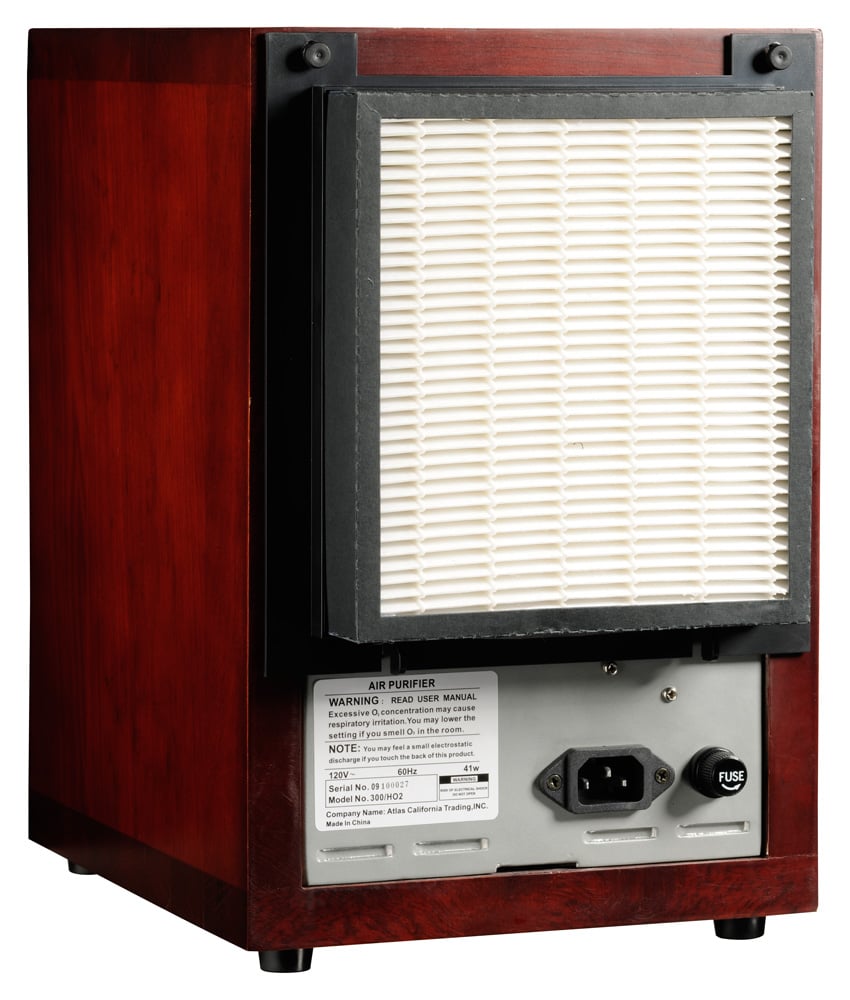
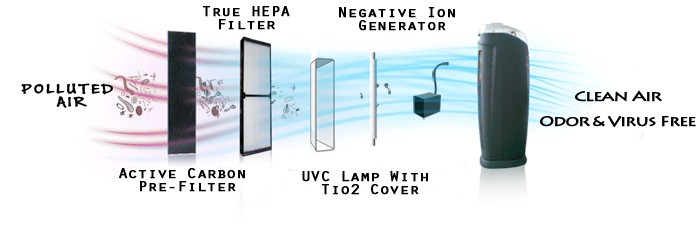
Navigating through air purification options can seem complex, but understanding each type’s technology is key. Let’s explore the major systems: HEPA, UV, ionic, and ozone.
HEPA vs UV Systems
HEPA filters and UV systems each serve unique roles in cleaning your air. HEPA filters capture particles like dust and pollen, removing over 99% of them. They are ideal for allergy sufferers. UV light, on the other hand, targets microorganisms, rendering them harmless. Think of HEPA as your dust catcher and UV as your germ killer. When used together, they provide comprehensive protection. It’s crucial to understand these roles to make an informed choice for your home.
Ionic Air Purifier Benefits
Ionic purifiers use charged particles to clean the air. These devices release ions that attach to airborne particles, causing them to fall to the ground. They’re silent and require minimal maintenance. Many users appreciate the lack of noisy fans and filters to replace. With this simplicity, they offer a low-effort way to improve air quality. Yet, some might overlook them due to misconceptions about effectiveness. In reality, they’re quite adept at removing smoke and odors.
Ozone Machine Risks
While powerful, ozone machines come with cautions. They release ozone into the air, which can neutralize odors and pollutants. However, excessive ozone can irritate the lungs and aggravate respiratory conditions. It’s essential to use these machines in unoccupied spaces and follow manufacturer guidelines carefully. Users often misunderstand this point, thinking ozone purifiers are always safe. Awareness of these risks can lead to safer usage and better air quality outcomes.
Choosing the Right Purifier
Selecting the right air purifier involves matching its strengths to your specific needs. Let’s delve into options based on common concerns.
Best Air Purifier for Allergies
For allergy relief, HEPA filters are a top choice. They trap dust, pollen, and pet dander effectively. Look for purifiers with a high CADR rating, which indicates efficiency in cleaning large volumes of air. Consistent use can significantly reduce allergy symptoms. Many people underestimate the impact of a good HEPA filter, but the difference in air quality is noticeable. Remember, the right filter can transform your living space into a haven.
Remove Smoke and Odors Effectively
To tackle smoke and odors, consider ionic purifiers or those with activated carbon filters. Ionic purifiers help particles settle out of the air, while carbon filters absorb unwanted smells. These options work well in spaces where smoke, cooking odors, or pet smells linger. Some users may think odors are just part of life, but these purifiers prove otherwise. Enjoy fresher indoor air without heavy fragrances masking the problem.
Air Purifier for VOCs
Volatile Organic Compounds, or VOCs, are common in homes with new furniture or paint. A purifier with activated carbon filters is effective against these pollutants. Such filters absorb VOCs and prevent them from circulating in your home. It’s a detail often missed when buying purifiers, but crucial for those sensitive to chemical emissions. Choosing a unit with this capability can enhance your home’s air quality dramatically.
Maintenance and Safety Considerations
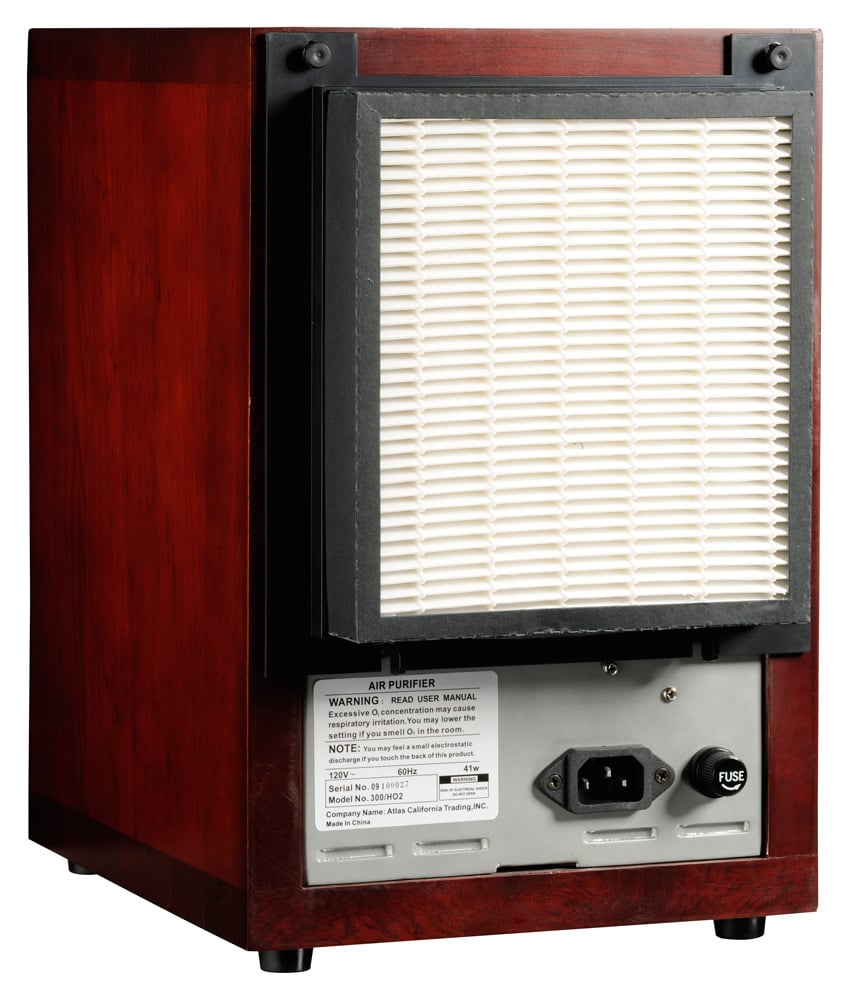
Maintaining your air purifier is vital for its long-term performance and safety. Let’s look at some key tips.
HEPA Filter Replacement Guide
HEPA filters need regular replacing to maintain efficiency. Typically, they last 6 to 12 months, depending on usage. Check your purifier’s manual for specific guidelines. Ignoring filter changes can lead to reduced air quality and increased allergens. Regularly replacing filters ensures continuous protection against dust and allergens.
Ozone Generator Safety Tips
Safety is paramount when using ozone generators. Always operate them in unoccupied spaces and ventilate well afterward. Adhering to these precautions minimizes health risks. Misunderstanding these guidelines can lead to improper use, but proper knowledge keeps your home safe and clean.
Ionizer Pros and Cons
Ionizers offer a quiet, low-maintenance solution. However, they might not remove as many particles as HEPA filters. Consider using them in conjunction with other purifiers for best results. They excel in removing smoke and odors but might not catch all allergens. Balancing their benefits with potential limitations helps in achieving optimal air quality.
By understanding these technologies and considerations, you can confidently select the best air purifier for your needs. Whether you’re addressing allergies, odors, or VOCs, there’s a solution that fits your home and lifestyle.

No comments:
Post a Comment