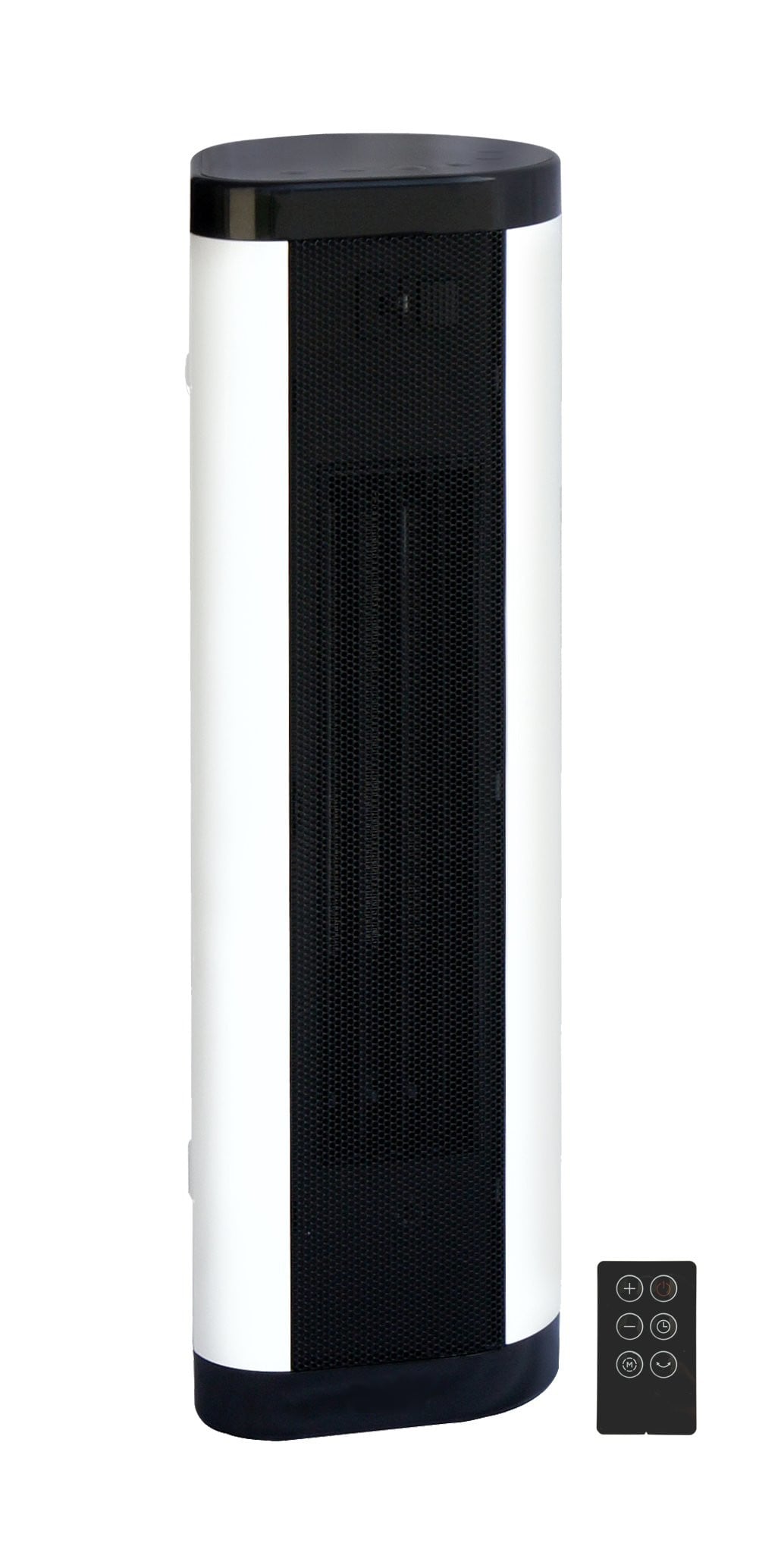
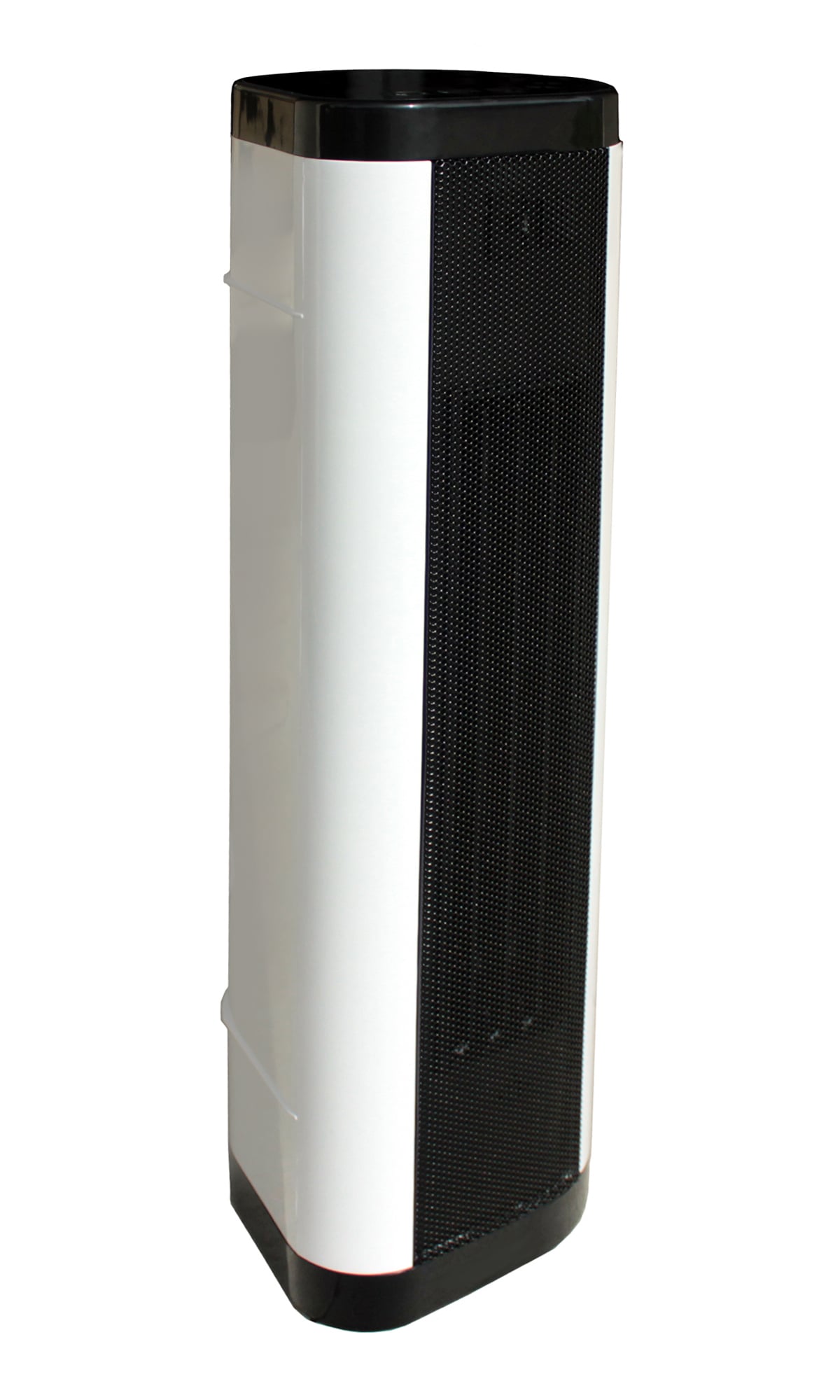
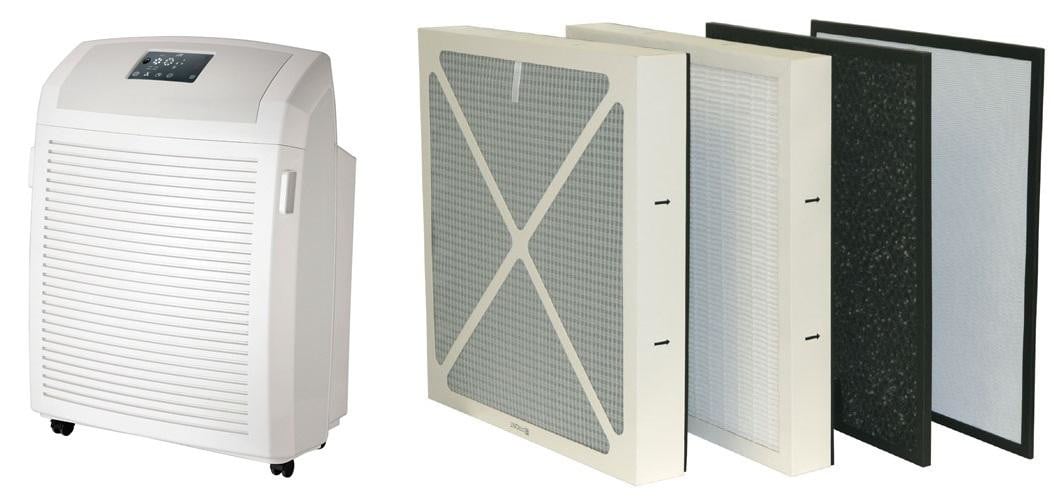
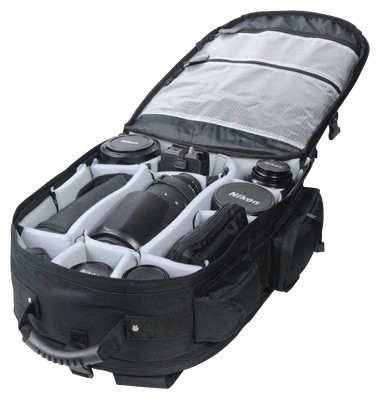
Many buyers focus on price and features, but skip one key factor: electronics warranty and repair support. Without solid backup, small issues can turn into costly headaches. At Atlas Store, our in-house repair service cuts downtime and keeps your air purifiers, dehumidifiers, and professional photography gear working longer. Learn why warranty support matters and how our dealer and affiliate programs bring you bulk discounts and reliable care. Buy with confidence. Get support that lasts. Join our Dealer and Affiliate Programs. Visit https://www.theatlasstore.com/.
Importance of Warranty Support
Imagine buying a new gadget, only to find it malfunctioning soon after. Without proper warranty support, you’re left with repair costs and frustration. Here’s why understanding warranties matters.
Understanding Electronics Warranty
An electronics warranty is your shield against unexpected costs. It ensures that any defects will be taken care of without extra charges. Most warranties cover one to three years, but details vary. Knowing the terms helps you avoid surprises. For instance, some warranties might only cover certain parts or issues. Read the fine print to see what’s included. This knowledge protects you from unexpected expenses later on.
Benefits of Reliable Warranty Support
Having warranty support gives you peace of mind. It means your product is protected, and repairs won’t break the bank. This support saves you time and stress by providing quick fixes. Imagine a scenario where your device stops working. With reliable support, you get help fast without searching for repair shops. This not only saves money but also keeps your device running smoothly.
Impact on Buying Decisions
Warranty support can influence your buying choices. Products with strong warranties often signal higher quality. When comparing items, consider the warranty terms. Choose products that offer comprehensive coverage. This ensures you’re investing in quality and protection. A solid warranty can be the deciding factor between two similar options.
In-House Repair Service Advantages
Atlas Store takes pride in its in-house repair service. This service offers unique benefits that many external repair options don’t. Let’s explore how our service stands out.
Atlas Store’s Repair Support
Our in-house repair team is dedicated to getting your devices back to peak condition. This approach ensures faster repair times. You won’t wait weeks for your product to return. Our technicians are trained to handle our specific products, ensuring repairs are done right the first time. This focus on quality means fewer repeat issues.
Reducing Downtime with In-House Repairs
Quick repairs mean less time without your device. Our in-house team reduces downtime significantly. Imagine sending your product elsewhere, only to wait weeks. With us, repairs happen efficiently and swiftly, minimizing your wait. This fast service keeps your home running smoothly. You can rely on your devices being back in action quickly.
Enhancing Customer Experience
We value your experience, and our repair service reflects that. Our goal is to make every repair hassle-free. When your device needs fixing, our team ensures a seamless process. From start to finish, we handle everything, so you don’t have to worry. This dedication to your satisfaction sets us apart from others.
Dealer and Affiliate Programs
Joining our dealer and affiliate programs unlocks numerous perks. Whether you’re a retailer or an individual, these programs offer great benefits. Let’s dive into what you can gain.
Benefits of Joining Our Dealer Program
Our dealer program provides significant savings. Dealers receive special pricing, making it easier to offer competitive prices. This advantage boosts your sales potential. Bulk purchasing options mean even more savings. You can stock up on popular items without overspending. Our dealer program is designed to support your business growth.
How Affiliates Gain from Our Programs
As an affiliate, you earn by sharing our products. When someone buys through your link, you get a commission. This is a simple way to boost your income. Affiliates also receive access to exclusive promotions and deals. This gives you an edge when promoting our products. Our program is designed to make earning easy and rewarding.
Exploring Bulk Discounts and Free Shipping
Bulk discounts and free shipping are key perks of our programs. Buying in bulk saves you money on each item. Additionally, free shipping reduces overall costs. This makes our programs a cost-effective choice for businesses and individuals alike. With these benefits, you enjoy more value for your money.
Join our programs today and enjoy the benefits of reliable warranty support and exceptional service. Visit https://www.theatlasstore.com/ to learn more and take advantage of our offers.