Forget what you think you know about air purifiers. Choosing between UV air purifier, ionic air purifier, HEPA filter, and ozone generator can feel overwhelming. Each technology targets air quality differently, affecting allergens, mold spores, smoke removal, and VOC reduction. This clear air purification comparison breaks down key features and limits so you can pick the right fit for your home or business. Shop trusted air purifiers now: https://www.theatlasstore.com/. Join our Dealer and Affiliate Programs for exclusive pricing and support.
Understanding Air Purification Technologies
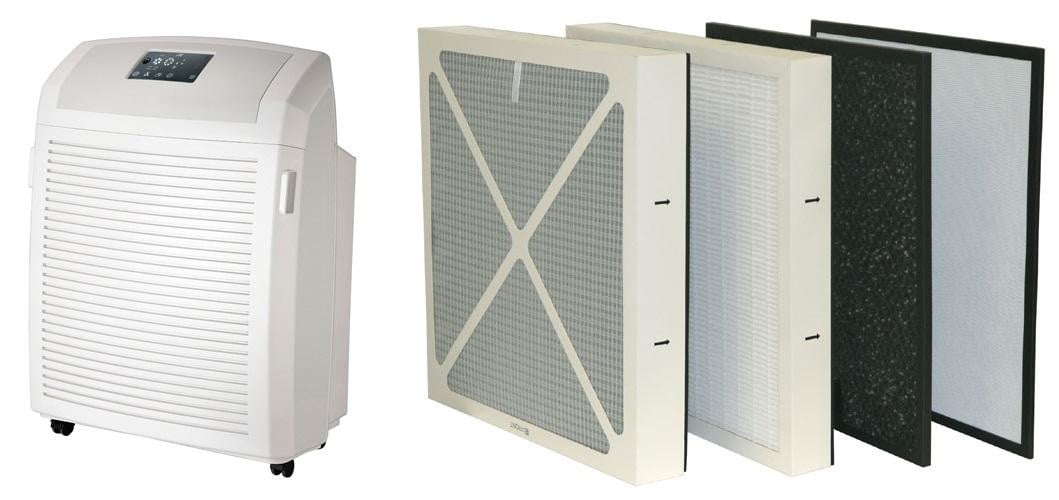
Let’s dive into the different types of air purifiers available and see which one fits your needs best. We’ll cover how each technology works and the benefits it brings to your home or workspace.
HEPA Filters: Capture Fine Particles
HEPA filters are known for their ability to trap tiny particles. They capture 99.97% of dust, pollen, and mold down to 0.3 microns. This makes them a favorite among allergy sufferers. You’ll find that HEPA filters are common in many air purifiers due to their effectiveness. They work by pulling air through a fine mesh that catches harmful particles. Regular maintenance like replacing filters ensures they keep performing well.
UV-C Light: Microbial Inactivation
UV-C light purifiers use ultraviolet light to kill germs and bacteria. This makes them ideal for those worried about viruses and microbes. The light disrupts the DNA of these organisms, preventing them from reproducing. It’s a chemical-free way to clean the air. You don’t have to worry about odors, as UV-C light targets only microorganisms. These purifiers often complement other technologies for a comprehensive solution.
Ionic Air Purifiers: Quiet and Low Maintenance
Ionic air purifiers release negative ions that attach to airborne particles. This process causes the particles to clump together and fall out of the air you breathe. They’re known for being quiet and requiring little maintenance. Unlike HEPA filters, ionic purifiers don’t require regular filter changes. They are perfect for those who want a low-hassle option. Keep in mind, they can produce a small amount of ozone, so they may not be suitable for everyone.
Comparing Purification Systems
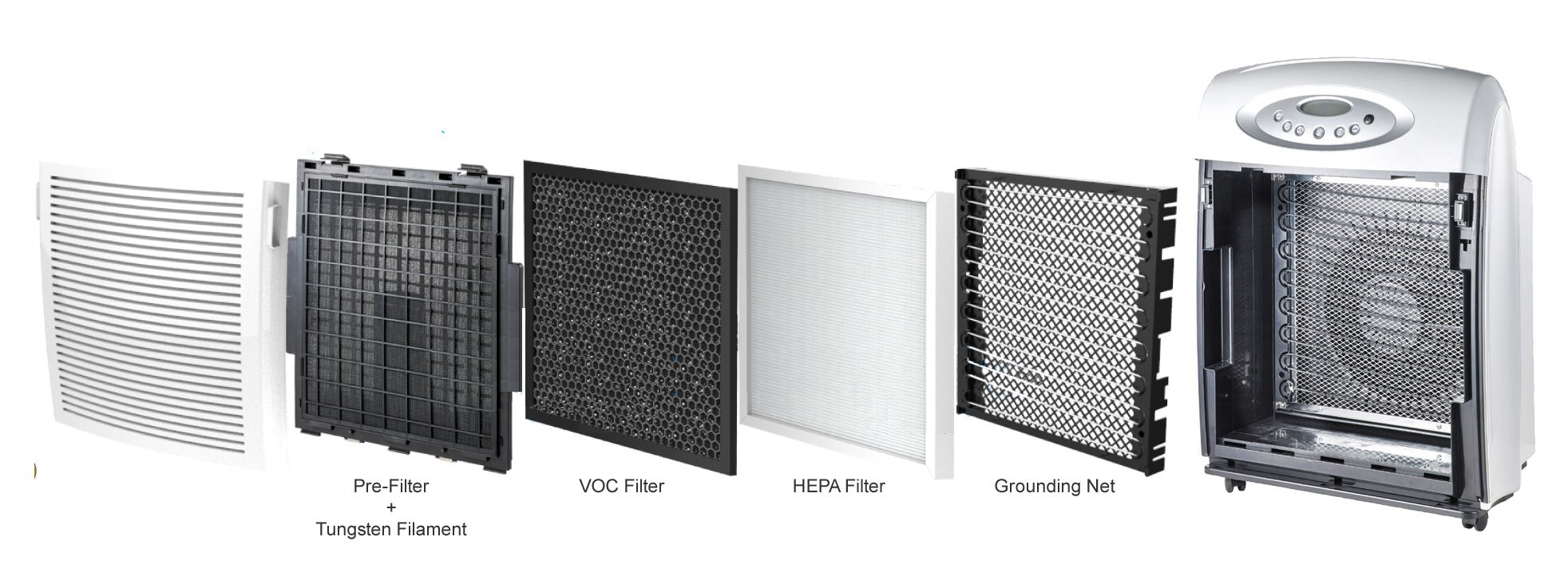
After understanding how each technology works, it’s crucial to compare them. We’ll consider their effectiveness in different scenarios and how you can benefit from each.
Ozone Generators: Odor and Microbe Oxidation
Ozone generators are powerful tools for odor removal and bacteria control. They work by releasing ozone, which oxidizes pollutants and odors. This makes them a strong choice for spaces with persistent smells or microbial concerns. It’s important to note that ozone can be harmful in high concentrations. Therefore, using these generators in unoccupied spaces is recommended. They can be a great addition to your air purification strategy when used wisely.
Key Factors: CADR Rating and Room Size
When choosing an air purifier, consider the Clean Air Delivery Rate (CADR) and the room size it can handle. CADR rates how quickly a purifier can clean the air of smoke, dust, and pollen. A higher CADR means faster purification. Ensure the purifier you choose is suitable for your room’s size to maximize effectiveness. This factor is crucial for ensuring you get the cleanest air possible in your space.
Combining Technologies for Optimal Results
Why stick to one technology when you can combine them? Many purifiers incorporate multiple methods, like HEPA and UV-C, for enhanced performance. This approach can tackle a wider range of pollutants, from allergens to germs. Combining technologies means addressing more air quality issues. This strategy provides a comprehensive solution, ensuring you breathe the cleanest air possible.
Choosing the Right Air Purifier
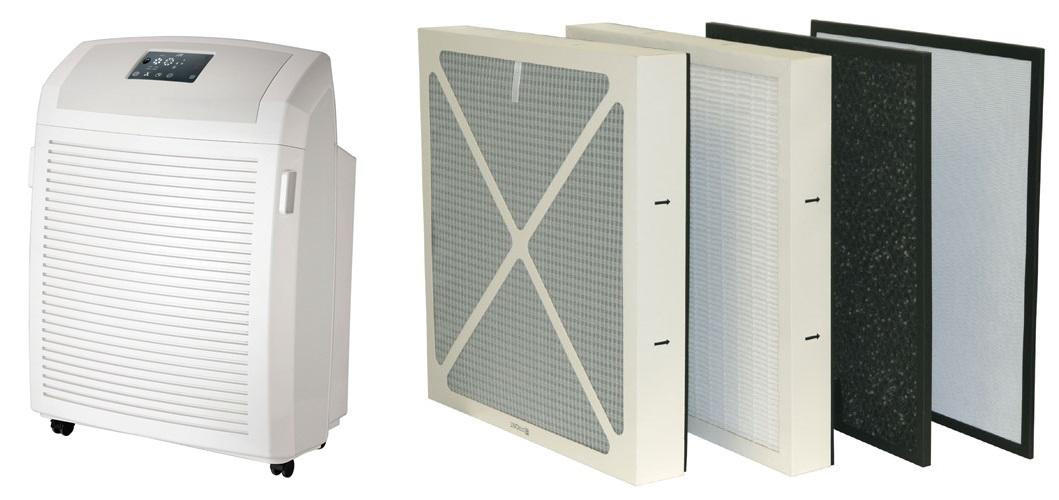
Once you know your options and how they compare, it’s time to make a decision. Here’s what to consider to find the perfect purifier for your needs.
Maintenance and Filter Costs
Think about long-term costs when choosing a purifier. HEPA filters need regular replacement, which adds up over time. Ionic purifiers, on the other hand, have lower maintenance costs due to fewer parts to replace. Consider your budget and how much you’re willing to spend on upkeep. This will help you choose a purifier that not only fits your needs but your wallet too.
Noise Levels and Energy Consumption
The noise level of a purifier can impact your comfort, especially if it’s used in living or sleeping areas. HEPA filters tend to be noisier compared to ionic and UV-C options. Additionally, consider energy use, as it affects your electricity bill. Look for energy-efficient models that provide powerful purification without high energy costs. This ensures comfort and cost savings in the long run.
Warranty and Dealer Program Benefits
A good warranty offers peace of mind. Check the warranty terms when selecting a purifier. Atlas Store provides in-house warranties, ensuring you get quality and support. Additionally, explore dealer and affiliate programs for potential savings. Bulk pricing and free shipping can make a significant difference. These benefits enhance your purchasing experience and provide lasting value.
Find reliable air purifiers that fit your needs by browsing our selection at The Atlas Store. Whether you need a quiet ionic purifier or a robust ozone generator, we have options that will suit your home or business perfectly.

No comments:
Post a Comment