You want cleaner air that actually works. Choosing between a UV air purifier and an ionic air purifier can feel tricky. This post breaks down their pros, cons, and health benefits so you pick the right fit. Shop UV and ionic purifiers now at https://www.theatlasstore.com/ and join our dealer or affiliate program for great discounts.
Understanding Air Purifier Technologies
The world of air purifiers offers two popular technologies: UV-C and ionic. But how do you choose the right one?
UV-C vs Ionic Air Purifiers
You might wonder what makes UV-C and ionic purifiers different. Each has its unique way of cleaning the air. UV-C purifiers use ultraviolet light to kill germs. Ionic purifiers release negative ions to remove particles. Both aim to improve indoor air quality.
How UV-C Air Sanitizers Work
UV-C air sanitizers emit ultraviolet light, which can eliminate up to 99.9% of bacteria and viruses. This technology is a favorite for those battling germs. The light breaks down the DNA of microorganisms, rendering them harmless. As the air passes through the purifier, it gets sanitized, leaving your home safer.
The Role of Ozone-Free Ionizers
Ozone-free ionizers are a great pick for those wary of ozone exposure. They release ions that attach to airborne particles. This process makes particles heavier so they fall out of the air. You get cleaner air without the worry of ozone. These ionizers are ideal for reducing smoke, odors, and allergens.
Pros and Cons of Each Purifier
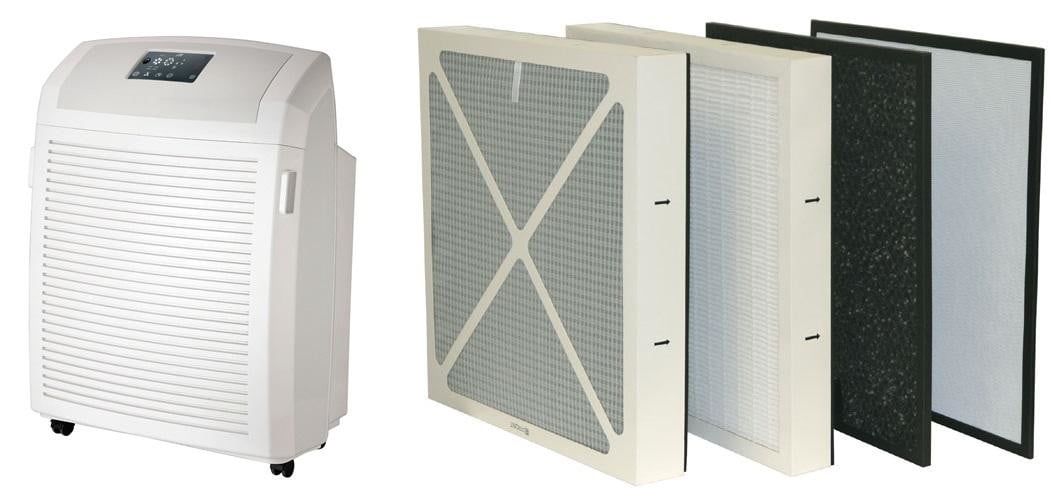
Choosing between UV and ionic purifiers depends on your specific needs. Let’s explore their benefits and drawbacks.
Benefits of UV Air Purifiers
UV air purifiers are known for their germ-killing power. They are ideal in homes with allergy sufferers. By destroying 99.9% of germs, they reduce the risk of illness. UV purifiers also work quietly, making them a perfect addition to any room. They don’t emit ozone, ensuring cleaner, safer air for everyone.
Disadvantages of Ionic Air Purifiers
While ionic purifiers are effective, they have their drawbacks. Some models produce ozone, which can irritate lungs. Not all ionic purifiers are ozone-free, so it’s important to check. They may not kill bacteria like UV models do. However, they excel at removing particles like smoke and dust.
Comparing Safety and Effectiveness
Safety is a top concern when choosing an air purifier. UV purifiers boast a strong track record in eliminating germs without ozone. Ionic purifiers are effective in removing particles but may emit ozone. If safety is your top priority, UV purifiers might be the safer bet.
Making Smart Purchases
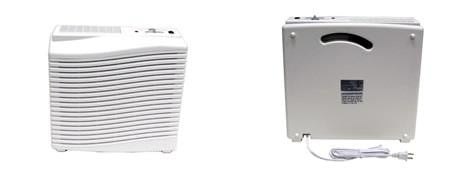
Getting the right purifier involves more than just picking a type. Consider these factors before you buy.
Factors to Consider for Allergy Relief
For allergy sufferers, the right purifier can be life-changing. Look for models with a HEPA filter with UV for extra protection. These capture allergens and kill germs. Ensure the purifier is asthma-friendly to avoid any triggers. Consider air quality testing to find the best fit for your needs.
Evaluating CADR Ratings and HEPA Filters
Understanding CADR ratings is crucial. A higher rating means better performance in cleaning the air. Pair this with a HEPA filter for optimal results. HEPA filters trap microscopic particles, improving indoor air quality. A home air purifier with these features ensures comprehensive protection.
Dealer and Affiliate Opportunities
Thinking of buying in bulk? Consider our dealer program for substantial savings. Whether you’re a retailer or just looking for a great deal, our affiliate program offers competitive pricing and special offers. Visit https://www.theatlasstore.com/ to learn more about these opportunities.
In summary, both UV and ionic purifiers have their strengths. UV purifiers are excellent for germ-free air, while ionic purifiers are great for removing particles. Be sure to evaluate your needs and consider safety, effectiveness, and additional features before making a purchase.

No comments:
Post a Comment